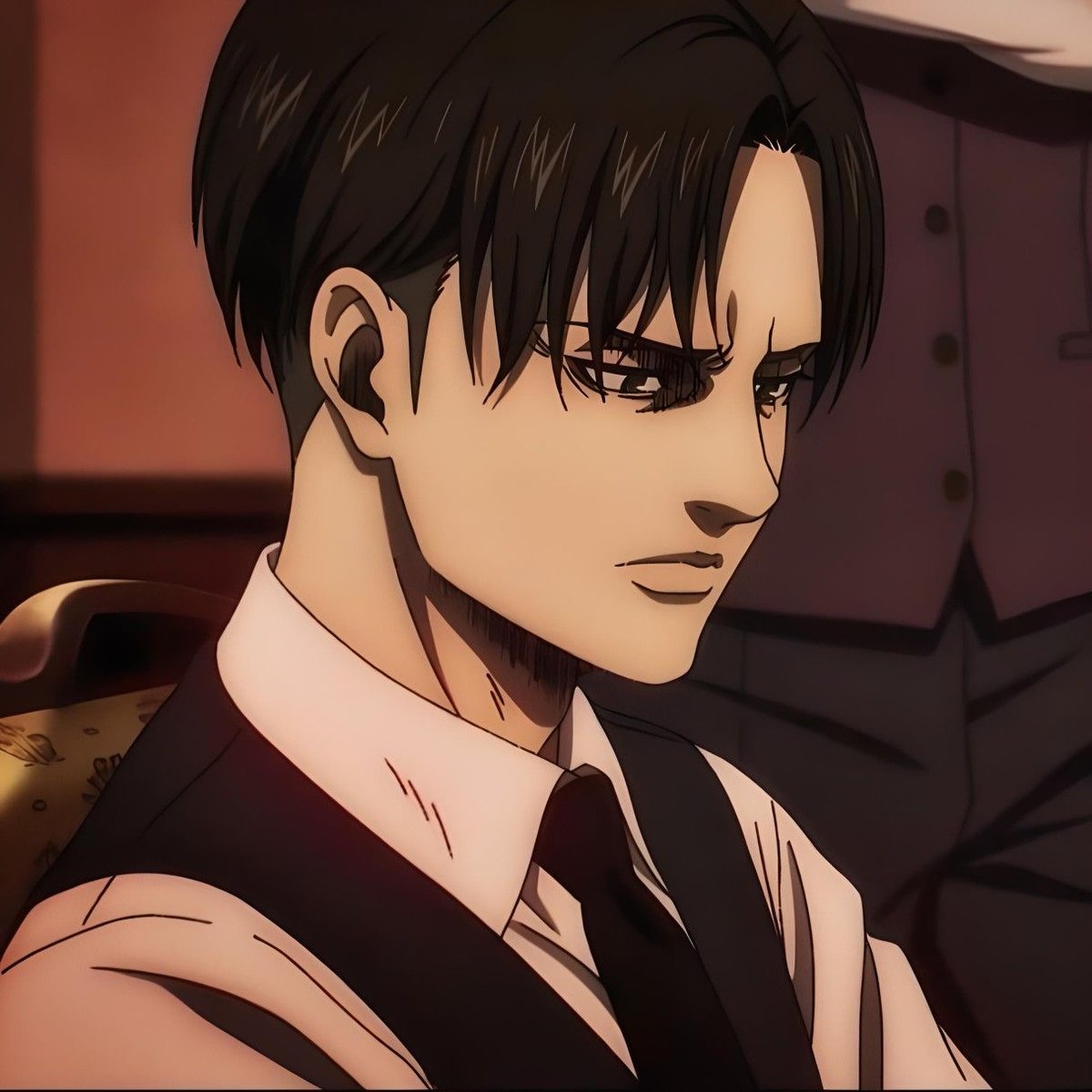
The internet is a vast ocean of fascinating "what ifs," and few are as intriguing to anime fans as the hypothetical crossover of two legendary series: Attack on Titan and Steins Gate. The very notion of Levi Ackerman, humanity's strongest soldier, navigating the intricate world lines and time travel paradoxes of Steins Gate sparks immediate curiosity. For many, it’s a compelling thought experiment that merges grim determination with scientific existentialism.
At its core, the idea of "Levi Ackerman in Steins Gate" isn't an official narrative or a secret Easter egg hidden within either series. Instead, it’s a testament to the power of fandom and the human imagination to blend beloved characters and worlds. While these two masterpieces exist in entirely separate universes, the desire to see how a character as iconic as Levi would react to the mind-bending challenges faced by Okabe Rintaro and the Future Gadget Lab is undeniably powerful. This super pillar hub is your definitive guide to understanding this captivating concept, exploring why it resonates so deeply with fans, and what it might actually imply if such an impossible scenario were ever to come true.
Unpacking the Reality: Is Levi Ackerman Truly in Steins Gate?
Let's address the elephant in the room right away for anyone searching for a definitive answer: no, Levi Ackerman does not officially appear in Steins Gate or its various spin-offs, manga, or visual novels. Attack on Titan and Steins Gate are creations of different authors, studios, and publishing houses, existing independently without any canonical crossover events. This crucial distinction clarifies that any discussion of Levi in Steins Gate ventures squarely into the realm of fan-created content, theories, and imaginative speculation.
However, the lack of official connection doesn't diminish the rich discussions and creative works that stem from this very idea. Many fans are drawn to exploring the potential clashes and harmonies between these distinct narratives, building entire speculative scenarios from the ground up. To , we can better appreciate the unique origins of both series.
A Clash of Worlds: Levi's Skills in Steins Gate's Science Fiction
Imagine the stark contrast: Levi Ackerman, a man forged in a world of flesh-eating giants and brutal survival, suddenly finds himself amidst D-mails, Phone Wave (name subject to change), and the looming threat of SERN. His unparalleled combat prowess, strategic mind, and cold pragmatism are honed for physical threats. In Steins Gate, however, the dangers are temporal, existential, and often abstract. How would the captain of the Survey Corps adapt to a crisis that can't be solved with ODM gear or a well-placed katana strike?
This thought experiment forces us to consider the very nature of heroism. Levi's strength lies in his ability to make impossible decisions under pressure and execute them flawlessly in battle. In Steins Gate, Okabe Rintaro's heroism often involves intellectual leaps, moral dilemmas, and the agonizing burden of manipulating time itself. It would be compelling to , potentially offering a unique perspective on a temporal conflict. Would his unwavering resolve be an asset, or would the mind-bending paradoxes break even his formidable will?
Thematic Crossroads: What Time Travel Means for a Man Like Levi
Both Attack on Titan and Steins Gate are renowned for their intricate storytelling and profound thematic depth. Attack on Titan grapples with freedom, determinism, the cycle of hatred, and the cost of war. Steins Gate explores fate, free will, the ethics of time travel, and the immense responsibility that comes with knowledge. Merging these themes through Levi’s character creates a truly fascinating philosophical sandbox.
Consider Levi’s personal tragedies and his unwavering commitment to his comrades. How would the concept of multiple world lines, where different versions of his past could exist or be altered, impact a man so defined by his sacrifices and losses? Would he attempt to rewrite history to save his fallen comrades, or would his pragmatism deem such an endeavor too dangerous or futile? This intersection offers rich ground for narrative exploration. It's an opportunity to , forcing him to confront new definitions of fate and choice.
The Power of Imagination: Fan Theories and Creative Works
Given the irresistible allure of this crossover, it's no surprise that the concept of Levi Ackerman in Steins Gate has thrived in fan communities. From detailed analytical threads on Reddit to elaborate fanfiction and stunning fan art, creators have taken up the mantle of imagining these characters colliding. These works often explore various scenarios: Levi as a stern protector of the Future Gadget Lab, an unwitting victim of a D-mail gone wrong, or even a hardened agent from a dystopian future seeking to avert catastrophe.
These fan-driven narratives provide a space for creative freedom that official canons cannot. They allow enthusiasts to explore "what if" scenarios without the constraints of established lore, resulting in diverse and often incredibly compelling stories. If you’re eager to dive into these imaginative explorations, you’ll want to and see the myriad ways fans have brought this concept to fruition.
Beyond Levi: The Enduring Appeal of Fictional Crossovers
The discussion around Levi Ackerman in Steins Gate is a perfect microcosm of a broader phenomenon: our enduring fascination with fictional crossovers. There's a fundamental human desire to see how our favorite characters from different stories would interact, how their unique abilities would fare in unfamiliar settings, and what new narratives might emerge from such collisions. These crossovers often highlight the core strengths and weaknesses of characters, pushing them beyond their comfort zones and revealing new facets of their personalities.
It speaks to the universal archetypes these characters embody and the rich worlds their creators have built that fans feel such a strong connection to them, strong enough to bridge entire fictional universes. To , we gain a deeper appreciation for storytelling itself.
The hypothetical blending of Levi Ackerman's grit with the temporal complexities of Steins Gate remains a powerful testament to the boundless creativity of anime fandom. While it may not be canon, the mere idea of it opens up rich discussions about character, theme, and the very nature of narrative possibility. It’s a reminder that sometimes, the most exciting stories are the ones we imagine ourselves.